A Guide to Student Information Systems (SIS) for Schools
GyanMitra Team · 8 Jun 2026
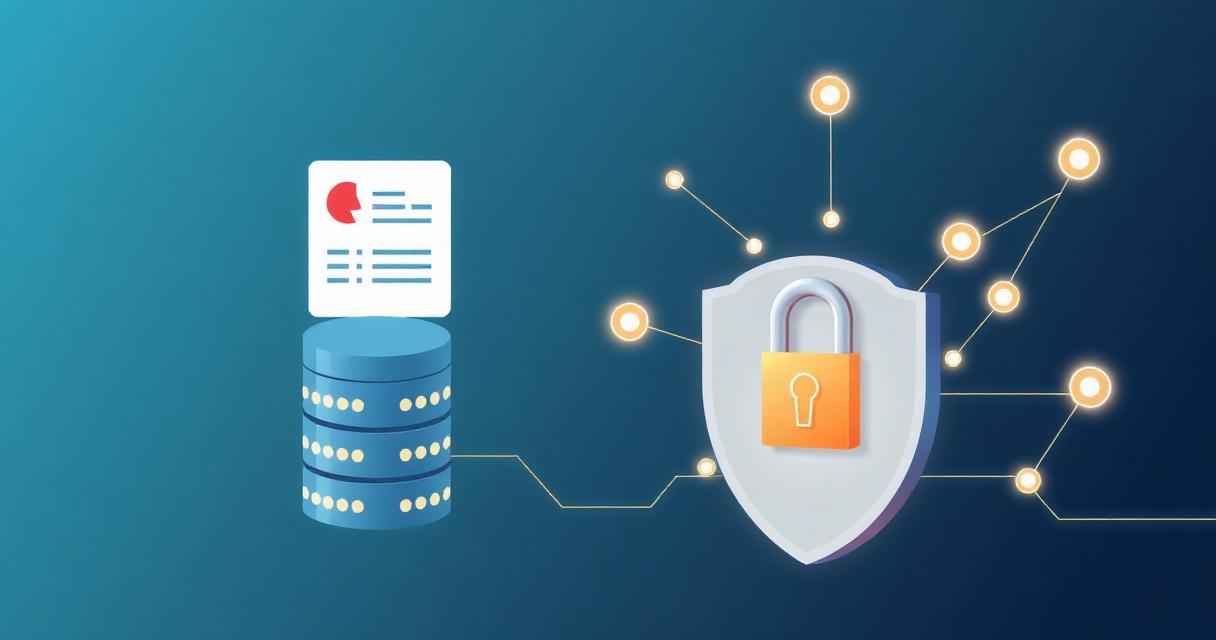
The Digital Filing Cabinet: What is a Student Information System?
At the heart of any modern school is a vast and ever-growing amount of student data. From admission details and demographic information to attendance records, academic grades, health records, and disciplinary actions, this information is the lifeblood of your institution. For years, this data lived in physical files, bulky registers, and scattered spreadsheets—a system vulnerable to loss, error, and inefficiency.
Today, this critical function is managed by a Student Information System (SIS). An SIS is a software platform designed to be the single, centralized repository for all student-related data throughout their academic lifecycle, from initial inquiry to graduation and beyond.
Think of it as your school's secure, intelligent, digital filing cabinet. It's often the core module of a larger School ERP system, feeding accurate data to all other functions like finance, communication, and examination.
Why Spreadsheets Are Not a Student Information System
Many schools still rely on Excel or Google Sheets to manage student data. While spreadsheets are useful tools for simple lists, they fall dangerously short of being a proper SIS for several critical reasons:
- Data Inconsistency: The same student's name might be spelled differently across different sheets, leading to fragmented and unreliable records.
- Lack of Security: Spreadsheets offer very poor access control. It's difficult to restrict a teacher from seeing sensitive financial data or an admin from accidentally deleting a whole class list.
- No Audit Trail: You can't track who changed what data and when. This is a major compliance and security risk.
- Scalability Issues: As your school grows, managing thousands of student records across dozens of interconnected spreadsheets becomes exponentially more complex and prone to crashing.
- No Integration: A spreadsheet cannot automatically generate an invoice, send a notification to a parent, or populate a report card. It's a static data silo.
Key Functions of a Modern Student Information System
A robust SIS automates and streamlines the entire process of managing student data. Here are its core functionalities:
1. Centralized Student Database
This is the foundation. An SIS provides a single, secure profile for every student. This profile typically includes:
- Demographic Data: Name, date of birth, Aadhar number, gender, address, etc.
- Parent/Guardian Information: Contact details, occupation, etc.
- Academic History: Previous schools, transfer certificates, admission details.
- Custom Fields: The ability to add custom fields relevant to your school (e.g., house affiliation, dietary restrictions).
Having this single source of truth ensures that every department in the school is working with the same, up-to-date information.
2. Admissions and Enrollment Management
While often a separate module, the admissions process directly feeds the SIS. Once a student is accepted, their application data is seamlessly transferred to create their permanent record in the SIS. This eliminates redundant data entry and ensures accuracy from day one.
3. Attendance Tracking
An SIS revolutionizes attendance management. Teachers can take daily attendance directly on a mobile app or web portal.
- The data is instantly updated in the student's central profile.
- The system can automatically calculate monthly and annual attendance percentages.
- Automatic alerts can be sent to parents in case of an absence.
- Administrators can generate attendance reports for entire classes or the whole school with a single click.
4. Course and Class Management
An SIS handles the complex task of organizing the academic structure of the school. This includes:
- Assigning Students to Classes and Sections: Easily manage class rosters and promote students to the next grade at the end of the year.
- Subject Allocation: Assigning subjects to students, including optional and elective choices.
5. Health and Medical Records Management
Securely store important medical information for each student, such as blood group, allergies, emergency contacts, and vaccination history. This information can be made accessible to the school nurse or other authorized personnel in case of an emergency.
6. Government and Board Compliance Reporting
Indian schools are required to submit various reports to educational boards (CBSE, ICSE) and government bodies (like U-DISE). Manually compiling this data is a Herculean task. An SIS can generate these reports in the required format with just a few clicks, pulling accurate data directly from the central database. This saves hundreds of hours and ensures compliance.
7. Secure Document Management
Store digital copies of all important student documents—birth certificates, Aadhar cards, transfer certificates, photographs—directly within the student's profile. This eliminates the need for physical storage and makes document retrieval instantaneous. A well-designed system like GyanMitra ensures these documents are stored securely with role-based access controls.
The Benefits of an Integrated SIS
The true power of an SIS is realized when it's part of an integrated School ERP.
- SIS + Finance: The SIS tells the finance module which students are in which class and which transport route they use, allowing for the automatic generation of accurate fee invoices.
- SIS + Examinations: The SIS provides the official list of students eligible to appear for an exam, and in turn, the exam module pushes the final grades back to the student's academic profile in the SIS.
- SIS + Communication: The SIS provides the parent contact details that the communication module uses to send SMS, emails, and app notifications.
This seamless flow of information across departments breaks down data silos and creates massive operational efficiencies.
Conclusion: The Foundation of Your Digital School
A Student Information System is not just an administrative tool; it's the digital backbone of your entire school. It ensures data accuracy, enhances security, empowers staff with instant access to information, and guarantees compliance. By moving away from fragmented spreadsheets to a centralized SIS, you lay a robust foundation upon which you can build a truly modern, efficient, and data-driven educational institution.